Coming out by mail is back in style in 2026, and the right pride postcard turns a nerve-wracking announcement into a keepsake someone frames. This guide breaks down what actually matters when you're shopping pride postcards for coming out, plus how to build a full care package around one.
- Flag-accurate pride postcards for coming out beat generic rainbow designs — pick the identity, not just the colors.
- USPS caps standard postcard size at 4.25 x 6 inches; bigger cards need envelopes and extra postage.
- Blank-message postcards win for close family sends because the handwriting does the emotional work.
- Skip glitter or foil finishes for mail — postal scanners jam on raised texture and delay delivery.
Why this matters
A coming-out postcard is a small object doing a big job: it announces an identity, asks for acceptance, and often becomes the thing someone keeps in a drawer for twenty years. Get the design wrong — vague colors, the wrong flag, a tone that reads as a joke when the moment calls for tenderness — and the object undercuts the message. Queerky sells postcards alongside its pride apparel and accessories precisely because the format matters as much as the words on it.
Most people shopping this category aren't casual gift buyers. They're picking something to send to a parent, a sibling, or a best friend, and they check the full pride shop more than once before committing. That hesitation is normal — treat the postcard like the first sentence of a hard conversation, not a novelty item.
Who this is for
This guide is for anyone about to send a coming-out announcement by mail — whether that's a person coming out for the first time, a friend building a surprise care package for someone else's milestone, or an ally who wants the card to land right instead of landing flat. It also covers the logistics: what actually survives the mail in 2026, and what looks great on a desk but jams at the post office.
What to look for in pride postcards for coming out
Flag accuracy and identity clarity
A generic six-stripe rainbow reads as "LGBTQ+ in general," which is fine for allyship but wrong when someone is coming out as a specific identity. Bisexual, pansexual, trans, and lesbian pride each have distinct flags — pink, blue, and purple stripes for bi; magenta, yellow, and cyan for pan; the five-stripe trans flag. Sending a card that matches the actual identity, not just "queer in general," signals you paid attention.
Tone: playful vs. tender
Some coming-out moments call for humor because that's how the person processes big feelings. Others need something quieter — a soft color palette and a short, sincere line instead of a punchline. Match the tone to the relationship: a sibling who loves pop-culture parody gets the loud card, a grandparent who's still processing gets the gentle one.
Mailability
Standard postcard size under USPS rules tops out at 4.25 x 6 inches, with a minimum of 3.5 x 5 inches — anything larger needs a stamped envelope and costs more to send. If a design runs oversized or has die-cut edges, confirm it still qualifies for postcard-rate mail before buying a stack of them.
Keepsake durability
A postcard that's going to sit on a mirror or in a memory box for years needs cardstock heavy enough to survive handling — look for at least 14pt stock, not the flimsy paper that bends after one read. Thin stock feels disposable, and disposable is the opposite of what a coming-out keepsake should feel like.
Message space
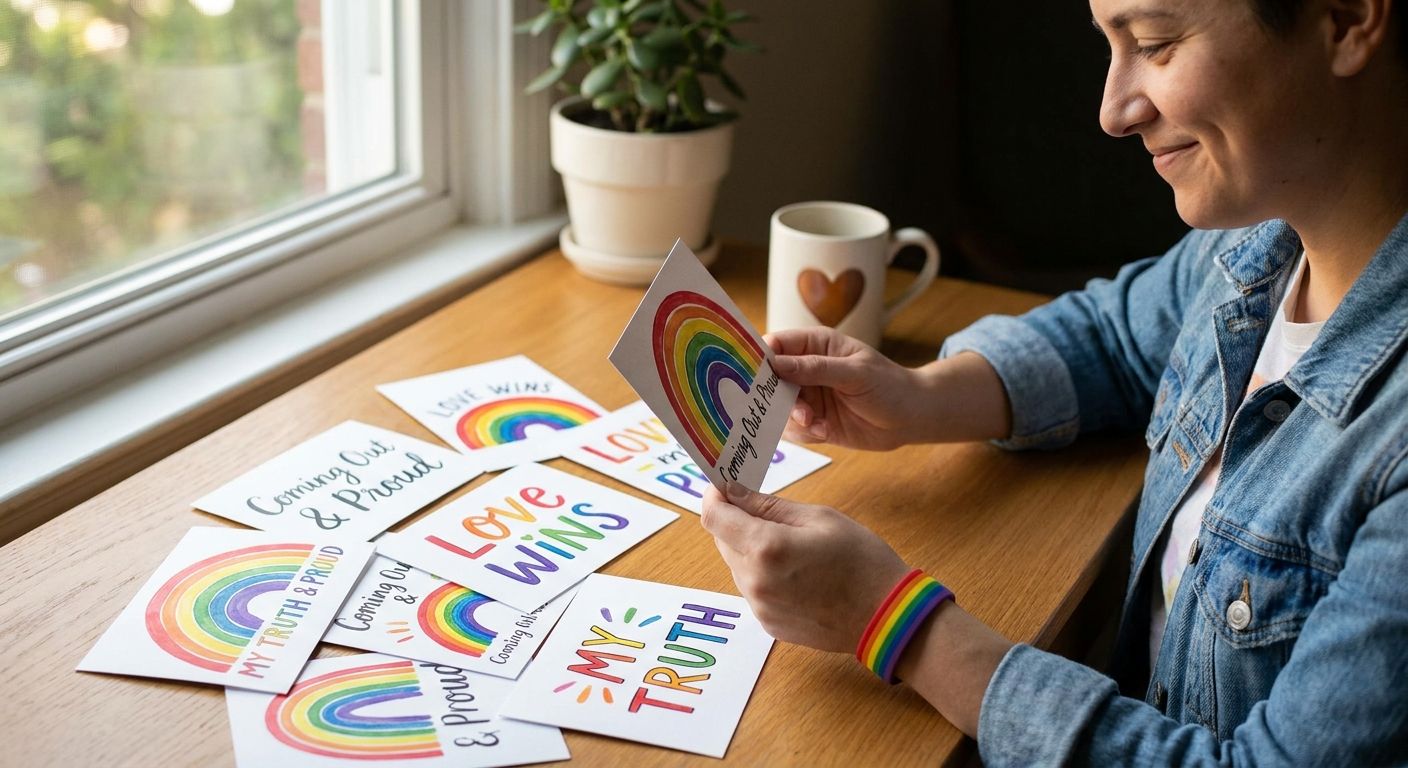
Blank-back postcards with just the design on front leave room for a handwritten note, which matters more than any pre-printed slogan when you're sending to family. Pre-printed text works better for group announcements or when the sender wants the card to do the talking.
Pairing potential
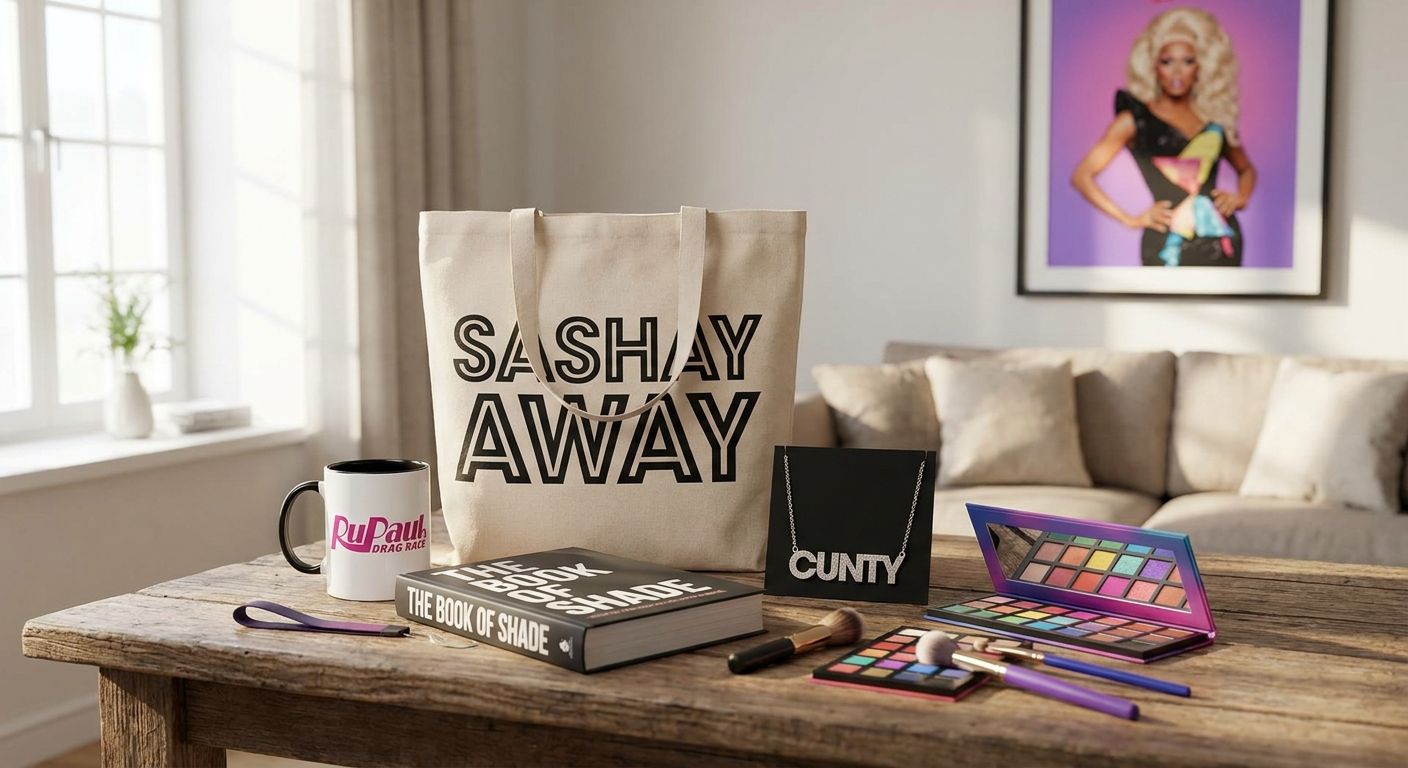
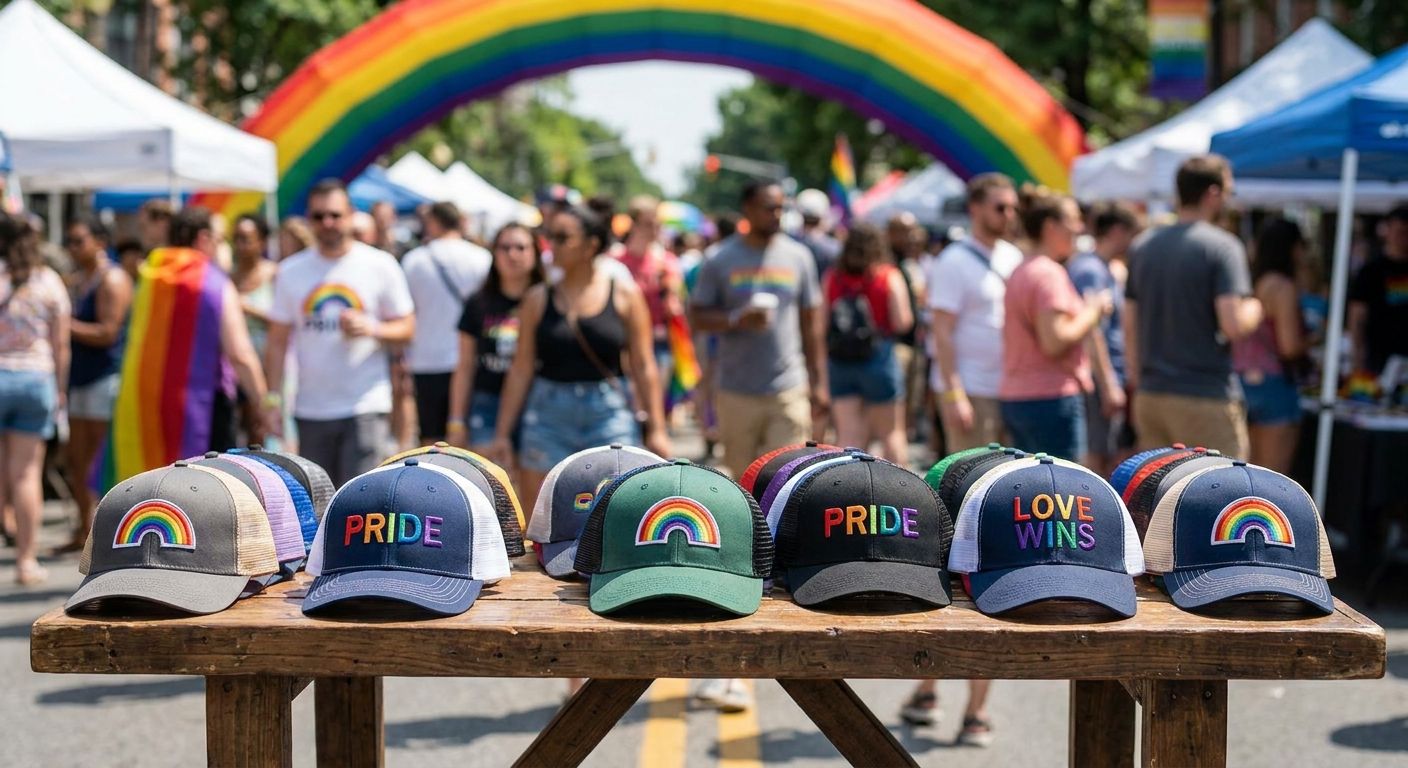
A postcard alone is a nice gesture; a postcard paired with a tote, a sticker, or a hat becomes a full "welcome to the club" package. This is where the announcement stops being just paper and turns into something the recipient actually uses.
Postcard styles that actually work
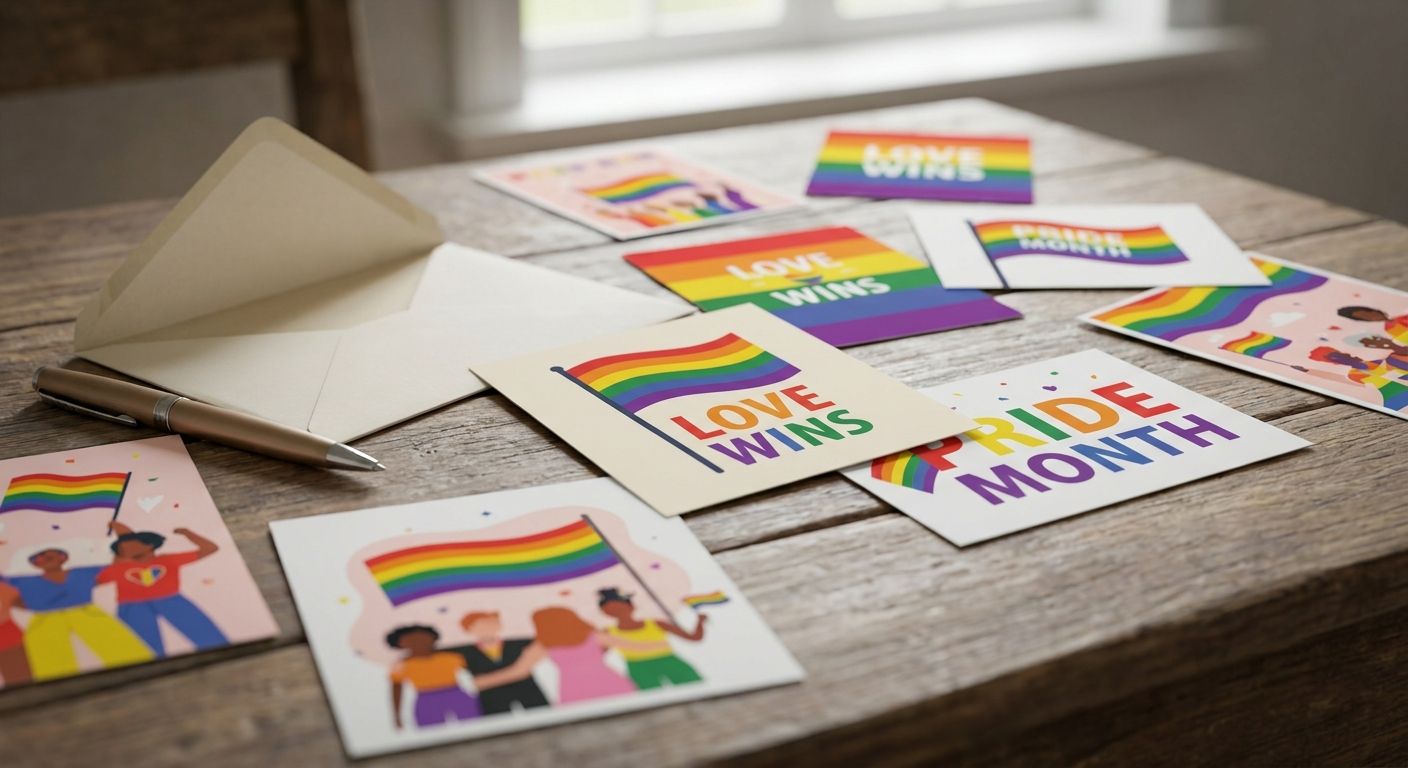
The safe pick — flag-forward minimalist. One clean identity flag, small type, no jokes. Spec that matters: solid color blocking holds up better in low-light mail photos than gradient designs, which matters if the card gets photographed and shared. Verdict: Buy for first-time coming-out sends to family.
The bold pick — humor and pop-culture parody. Leans into the brand's loud, unapologetic voice with a punchline that only lands if the recipient already knows the sender is fine. Spec that matters: needs at least 16pt cardstock since bold typography shows every crease. Verdict: Consider for close friends, Skip for a first announcement to a parent who doesn't know yet.
The keepsake pick — affirmation quote design. A short line of text paired with a single flag element, designed to be framed rather than filed away. Spec that matters: matte finish photographs better than gloss if the recipient wants to share it online. Verdict: Buy when the goal is something that gets kept, not just read once.
The wildcard — custom blank card. No pre-printed message, just a strong visual and open space on the back. Spec that matters: this is the only style that scales down to a 3.5 x 5 inch mini-postcard without losing legibility. Verdict: Buy for anyone who wants to write their own words instead of borrowing someone else's.
Build the full moment out further with pride stickers for laptops and water bottles tucked into the envelope — a small extra that turns a postcard into a tiny care package.


What to avoid
- Glitter or foil finishes for mail sends. They look great on a shelf but raised texture jams postal scanners and can bounce a card back or delay it past the moment you wanted it to land.
- Oversized novelty cards. Anything bigger than the 4.25 x 6 inch USPS postcard maximum needs a full stamped envelope, which adds cost and turns a quick mail-drop into a whole errand.
- All-text designs with no visual identity marker. A card that's just words with no flag or color cue loses the visibility the whole gesture is built around — the image is doing half the work.
Verdict comparison
| Style | Best for | Cardstock | Verdict |
|---|---|---|---|
| Flag-forward minimalist | First announcement to family | 14pt+ | Buy |
| Humor / pop-culture parody | Close friends who already know | 16pt+ | Consider |
| Affirmation quote keepsake | Anything meant to be framed | 14pt+ matte | Buy |
| Custom blank card | Writing your own message | 14pt, scales to mini size | Buy |
FAQ
What size should a pride postcard for coming out be?
Standard USPS postcard size runs 3.5 x 5 inches minimum to 4.25 x 6 inches maximum in 2026. Anything larger needs a stamped envelope instead of postcard-rate mail.
Is a blank or pre-printed postcard better for coming out?
Blank-back postcards work better for close family because handwriting adds the personal weight the moment needs. Pre-printed designs work fine for group announcements or lighter-tone sends to friends.
Should the postcard match a specific pride flag or just be rainbow?
Match the specific identity flag whenever you know it — bi, pan, trans, or lesbian flags each carry distinct colors. A generic rainbow reads as general allyship, not the specific coming-out message.
Can I mail a glitter or foil pride postcard?
You can, but raised glitter or foil finishes can jam postal sorting scanners and delay delivery. Matte or smooth-finish cardstock moves through the mail system more reliably in 2026.
What should I pair with a coming-out postcard?
A small sticker or a tote bag turns a single postcard into a full care package. Pride stickers fit easily in the same envelope without adding postage weight.
How much cardstock weight does a keepsake postcard need?
Look for at least 14pt cardstock if the postcard is meant to be kept rather than tossed. Anything thinner tends to bend and crease within a few handlings.
Is it better to send a coming-out postcard or an envelope card?
A postcard is faster, cheaper to mail, and visible the moment it's pulled from the mailbox, which some senders want for the announcement. An envelope card offers more privacy if the message needs to stay unseen until opened.
What tone works best for a first coming-out announcement to parents?
A flag-forward minimalist design with a short, sincere handwritten note tends to land better than a joke-heavy card for a first announcement to parents. Save the pop-culture parody designs for friends who already know.
One last thing
The detail that gets missed most: the back of the postcard matters as much as the front. A stunning flag design with three inches of blank space and nothing written on it lands flatter than a plain card with four honest sentences — the image opens the door, but the handwriting is what actually says the thing.